On this page
One of the first questions new customers ask is how often their vehicle actually needs to be detailed. The honest answer is that it depends on how you use the vehicle, where it lives, and what you expect from it — but there are reliable guidelines that hold true for most drivers around La Plata and the rest of Southern Maryland. This guide walks through those guidelines for cars, boats, and RVs, and explains how to build a schedule that keeps your vehicle in great shape without spending more than you need to.
What "detailing" actually means for a schedule
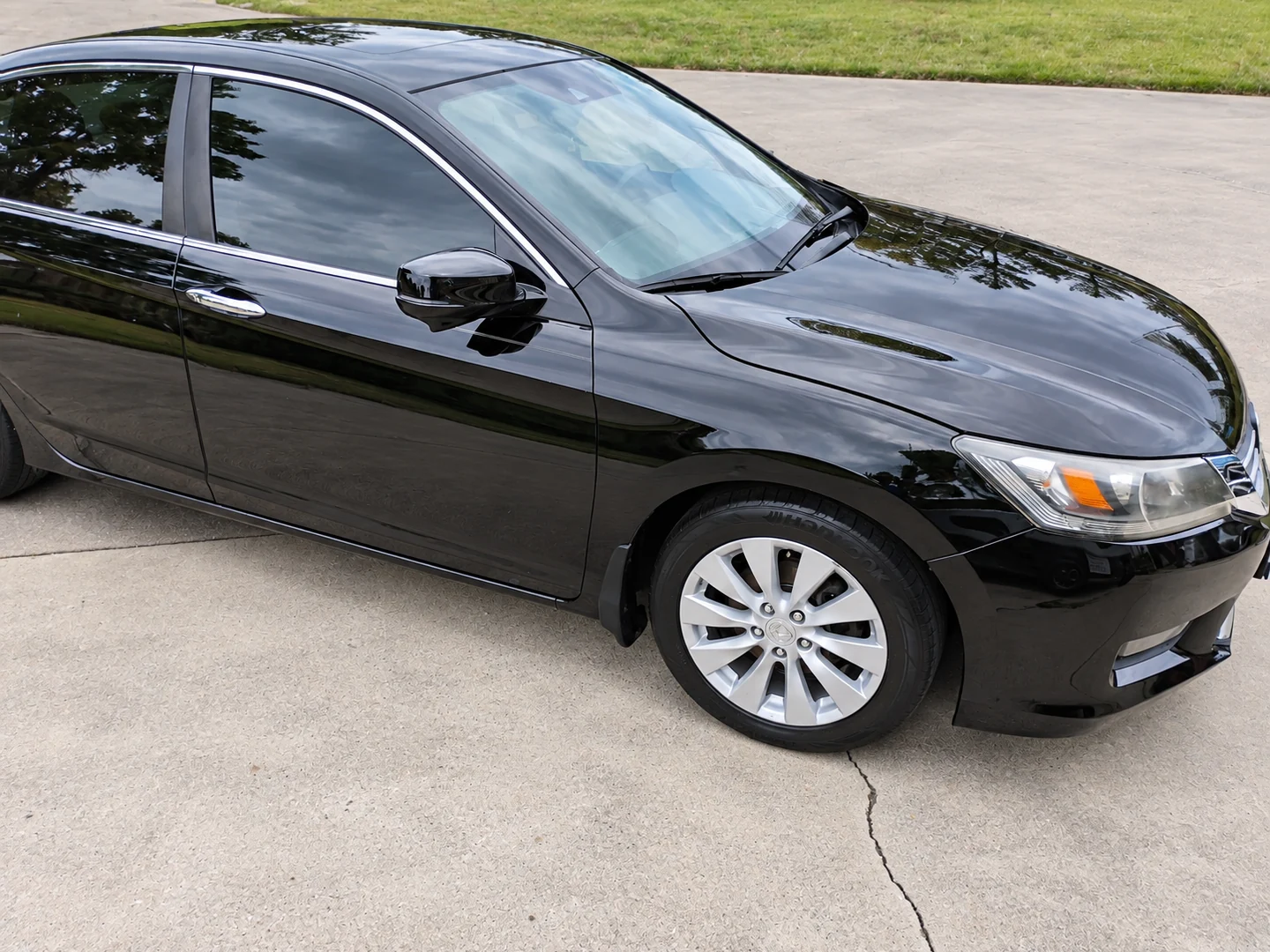
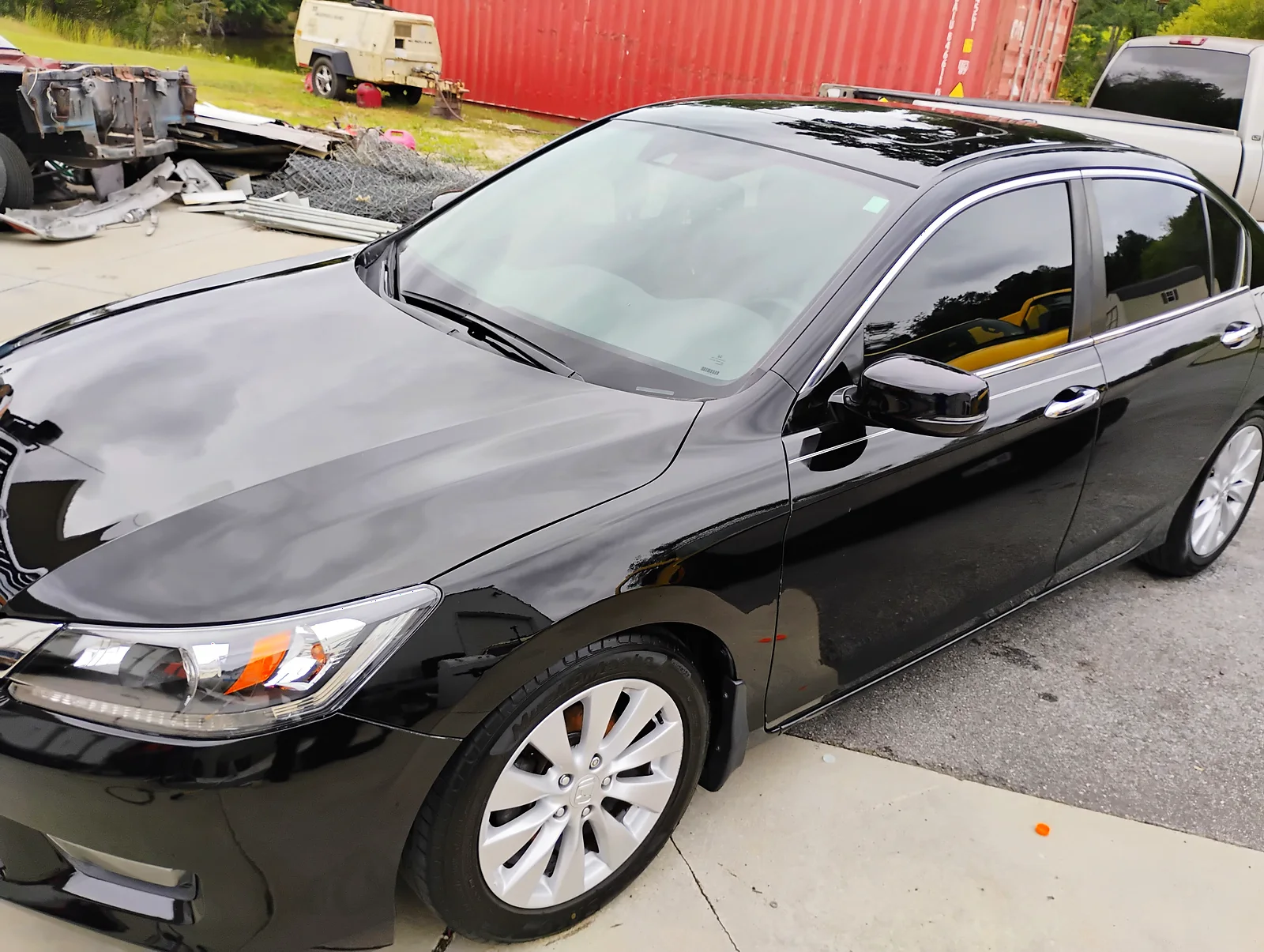
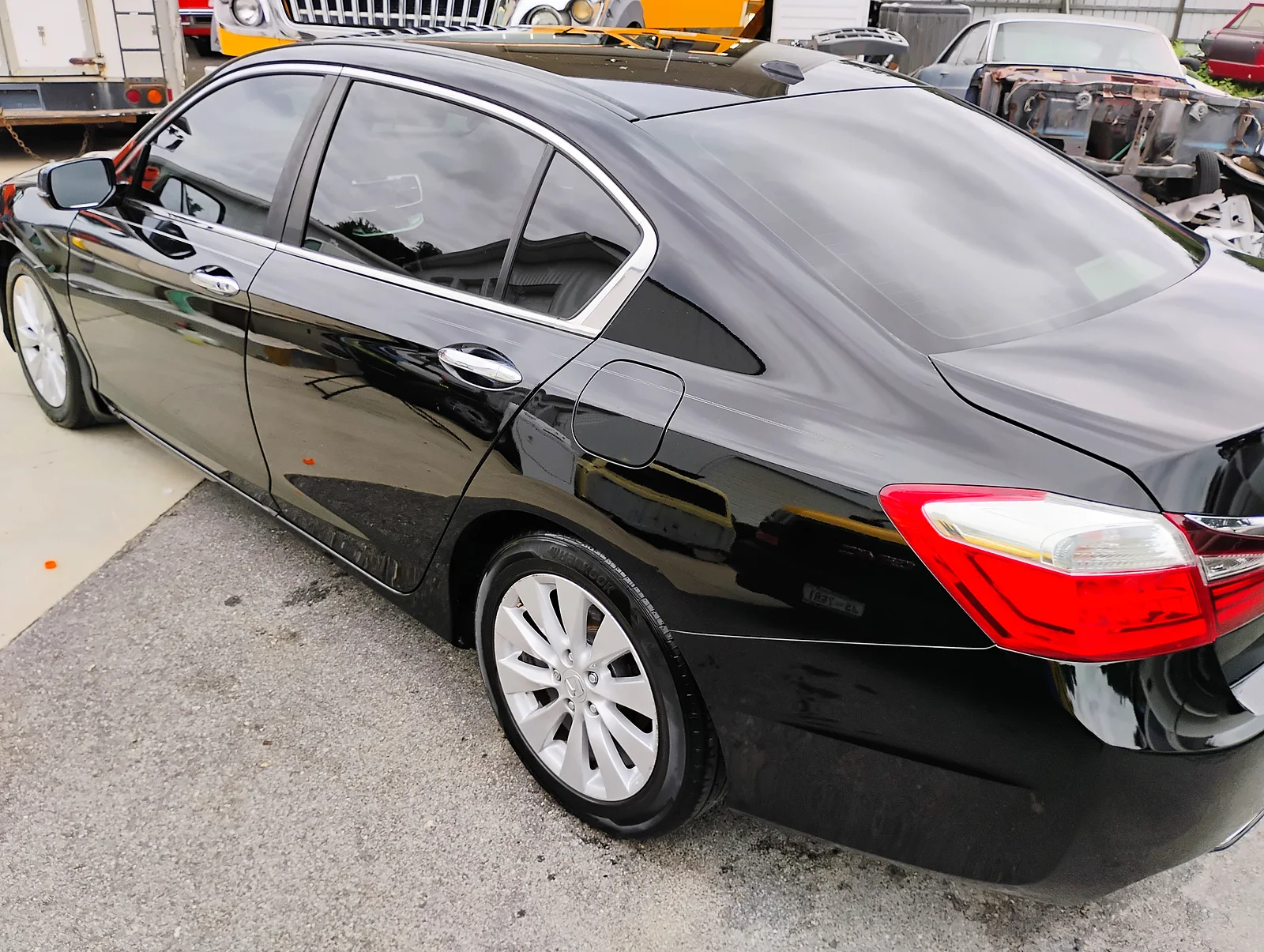
A detail is not a car wash. A wash removes surface dirt; a detail cleans, restores, and protects. When we talk about how often to detail, we are talking about the full service: a hand wash of the exterior, wheels and tires cleaned and dressed, the interior vacuumed completely, and interior surfaces dressed and protected. That is the level of care that keeps a vehicle looking right and holding its value, and it is what our mobile car detailing service delivers at your home or workplace.
Because a detail goes deeper than a wash, you do not need one every week. But you also cannot do it once a year and expect the vehicle to stay ahead of the dirt, the sun, and everyday life. The right frequency sits somewhere in between, and it shifts with your circumstances.
The baseline for daily drivers
For a typical daily driver in Southern Maryland — parked outside, driven most days, maybe carrying kids or a dog — a full detail every four to six weeks is the sweet spot. That interval keeps interior grime from ever getting established, keeps the exterior ahead of road film and bug splatter, and means each visit is maintenance rather than recovery. Vehicles on this kind of schedule are simply easier and cheaper to keep clean, because dirt never gets the chance to bond, stain, or grind in.
If that sounds like more attention than your vehicle needs, a full detail every two to three months still works well, provided you rinse or wash the exterior in between. What you want to avoid is the pattern most cars fall into: nothing for a year, then one big corrective session that costs more and achieves less than steady care would have.
This is exactly why monthly detailing packages exist. A standing monthly visit takes the scheduling burden off you entirely — the vehicle is maintained on a rhythm, and you never reach the point where the interior embarrasses you or the paint looks tired.
How Southern Maryland conditions change the math
Where you live and park matters as much as how you drive. Around La Plata, Waldorf, and the surrounding communities, a few local factors push vehicles toward more frequent care:
- Pollen season. Spring pollen coats everything and works its way into seams, vents, and carpets. A detail after the worst of the pollen season is one of the highest-value visits of the year.
- Summer sun and humidity. UV fades paint and dries out interior plastics and leather. Humidity feeds mildew, especially in vehicles that sit. Interior dressing and protected paint are not cosmetic luxuries here — they are preservation.
- Winter road treatment. Salt and brine are brutal on wheels, wheel wells, and lower panels. A detail going into winter and another coming out of it protects the areas that rust first.
- Trees and birds. If you park under trees, sap and bird droppings are etching your paint within days, not weeks. Frequent exterior care — or better, ceramic coating that resists staining — pays for itself in avoided paint damage.
A garage-kept car that only comes out on weekends can stretch the intervals considerably. A truck that lives on a worksite or a family SUV that hauls kids and pets needs the shorter end of every range.
Boats follow the seasons, not the calendar
Boats around the Patuxent, the Potomac, and the Chesapeake Bay live a harder life than any car. Waterline staining, gel coat oxidation, and mildew in the cabin all build steadily through the season, and they are far easier to remove early than late.
For most boat owners, the right rhythm is a full marine detailing at the start of the season — before the boat goes in or right after — plus maintenance washes through the summer, and a thorough clean before winter storage. The spring detail gets the gel coat cleaned and protected before sun and water start working on it. The end-of-season clean removes the organic growth and grime that would otherwise sit on the hull and in the cabin for months, feeding mildew and staining surfaces.
Boats kept in a slip need more frequent attention than boats kept on a trailer, simply because the waterline is always working on them. If your boat lives in the water, treat mid-season maintenance as essential rather than optional.
RVs need care at both ends of the trip
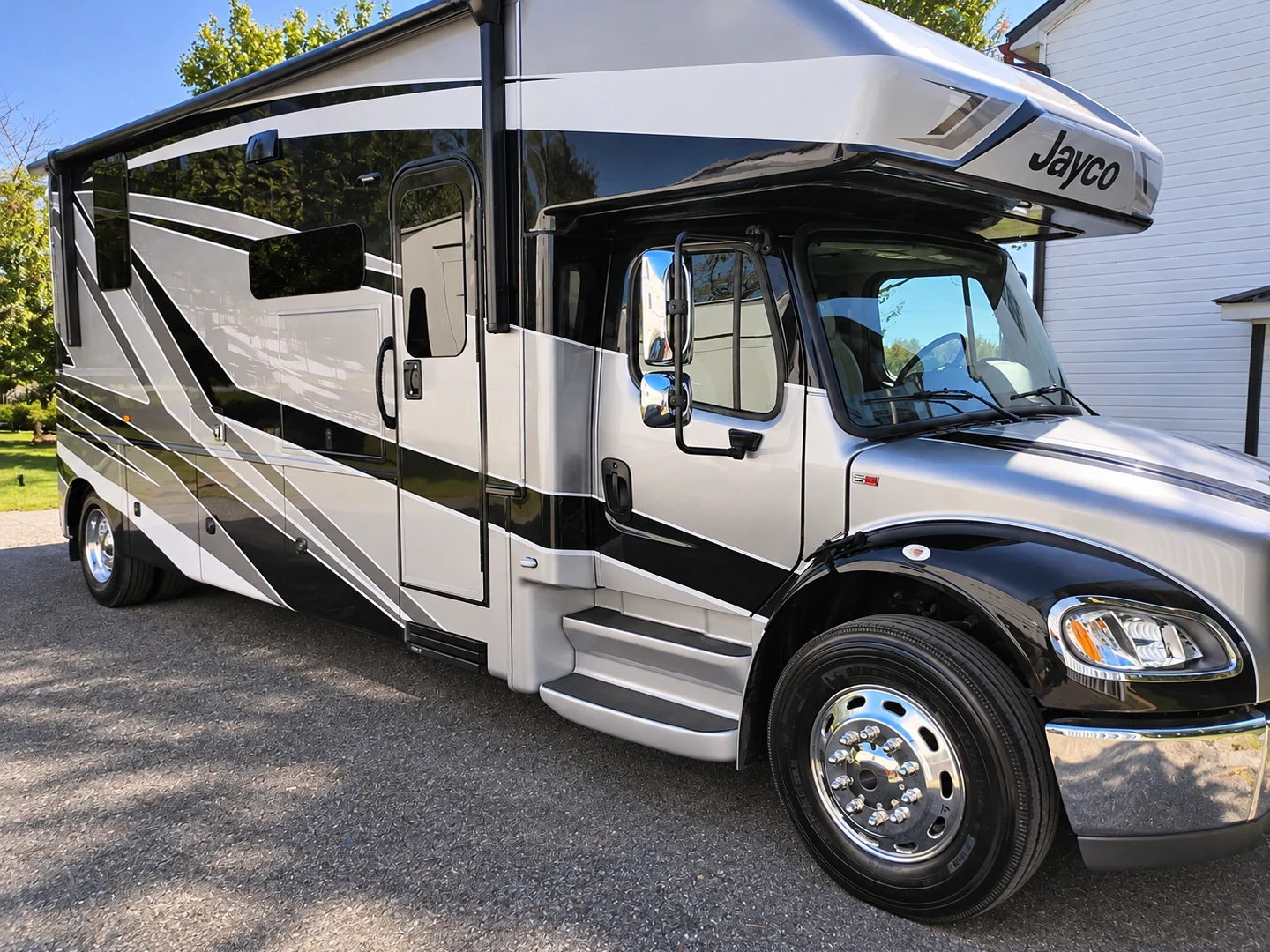
An RV collects two kinds of dirt: road grime, black streaks, and bug splatter on the outside, and ordinary lived-in wear on the inside. The practical schedule for most owners is a full RV detailing at the start of the camping season and another when the rig comes off the road for storage.
The roof deserves special mention. It is the surface owners never see and the one that takes the most punishment from sun, rain, and debris. Dirt held against roof seals and seams is how leaks start. Having the roof washed and inspected at least once a year — ideally as part of a full detail — is cheap insurance against a very expensive problem.
If you use the rig heavily through the summer, a mid-season wash of the sides and roof keeps black streaks from setting and makes the end-of-season detail much easier.
Signs you have waited too long
However you schedule it, your vehicle will tell you when the interval has stretched too far:
- Interior surfaces feel gritty or sticky even after a quick wipe
- Carpets hold odors that vacuuming at home no longer touches
- Water stops beading on the paint and the finish looks flat
- Wheels stay stained-looking after a wash
- On a boat, the waterline stain no longer rinses off, or the gel coat looks chalky
- On an RV, black streaks have set into the finish rather than sitting on it
Any one of these means the next visit is corrective work rather than maintenance — which takes longer and costs more. The cheapest detail is always the one that happens before these signs appear.
What about a brand-new vehicle?
New owners often assume a fresh vehicle needs nothing for the first year. The opposite is true: the first year is when protection matters most, because the paint and interior are still in perfect condition and the goal is to keep them that way. A new car benefits from an early detail that adds real protection to the paint — this is the ideal moment for ceramic coating, before swirls and etching ever appear — plus interior dressing that shields plastics and leather from their first summer of sun. New boats and RVs follow the same logic: protecting gel coat and fiberglass before oxidation starts is far easier than restoring them afterward. Starting a maintenance rhythm early also means every future visit is quick and inexpensive, because there is never any corrective work to do.
Building a schedule that actually happens
The best detailing schedule is the one you do not have to think about. That is the real value of a monthly package or a seasonal standing appointment: the vehicle stays ahead of the dirt automatically, and each visit is quicker, gentler, and less expensive than a rescue mission.
If you are not sure where your vehicle stands, the simplest next step is to send a few photos through the contact form or call (240) 681-5002. Donald will look at the condition honestly, tell you what the vehicle needs now, and suggest a schedule that fits how you actually use it — whether that is monthly visits, seasonal details, or something in between. Around here, the vehicles that look good year after year are not the ones that get detailed the most. They are the ones that get detailed on time.
Written by