On this page
Start by identifying the surface and the concern
A boat’s hull can show several kinds of marks at the same time. Some may be removable deposits, while others involve weathering or damage to the finish.
Before choosing a cleaner or polishing product, identify whether the area is gelcoat, painted, wrapped, or another material. The product and method must suit that surface. A treatment appropriate for one part of the boat may be unsuitable for another.
What oxidation can look like
Oxidized gelcoat may look dull, faded, or chalky instead of showing the depth and reflection it once had. Washing can remove surface dirt, but it does not necessarily correct weathered gelcoat.
Depending on the condition, professional restoration may involve an appropriate polishing or compounding process. These are abrasive processes, so the least aggressive effective approach matters. The condition and remaining finish must be assessed before deciding what work is reasonable.
Deep cracks, missing finish, or other physical damage require a different conversation. Ask what can be improved through detailing and what may need repair.
How deposits differ from surface damage
Water spots and other visible deposits can affect how a clean hull looks. Their appearance alone does not tell you whether a mark sits on top of the finish or has damaged it.
Use cleaning products approved for the specific material and follow their instructions. Avoid experimenting with household mixtures or strong chemicals on an unfamiliar surface. If careful cleaning leaves the mark unchanged, seek an assessment before repeated scrubbing or machine polishing.
A clear photo can help explain the problem, but lighting and reflections can hide or exaggerate it. An inspection gives a better basis for choosing the service.
Discuss protection after the cleaning or restoration
Cleaning, correcting a finish, and adding protection are separate parts of boat care. Depending on the material and condition, the plan may include a suitable marine wax, sealant, or other approved protective system.
Protection should be selected for the surface and how the boat is used. It does not make the finish immune to contamination or eliminate ongoing cleaning.
Ask which areas are included, what result is realistic, and how the finish should be maintained afterward. Include the boat’s approximate length, where it is stored, and whether all relevant surfaces are accessible.
A useful photo comparison shows the same area
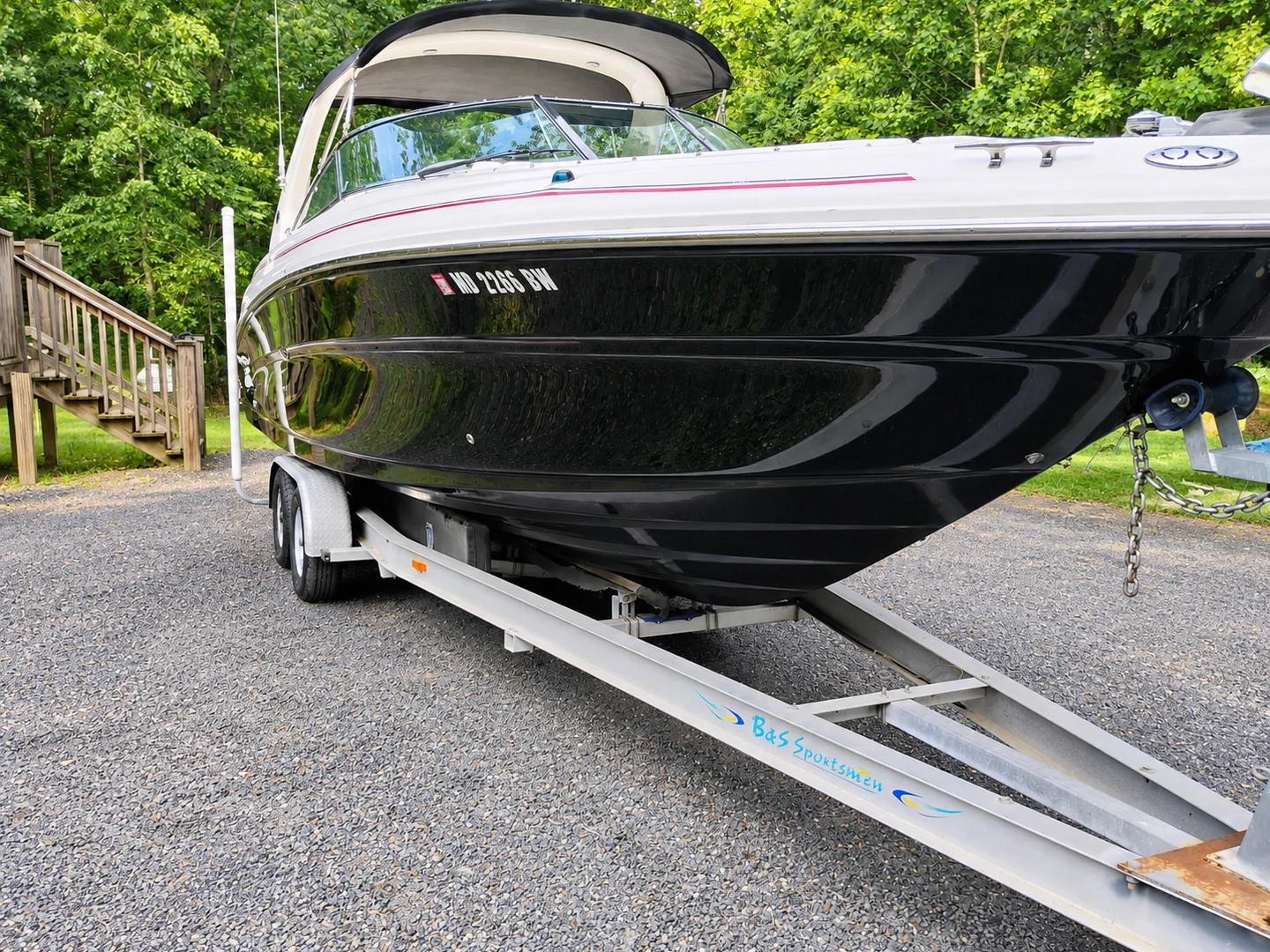
If you are documenting the result, photograph the same panel from a similar angle before and after the work. Keep the lighting as consistent as possible. That makes the change easier to understand than comparing unrelated views of the boat.
To discuss marine detailing with Passionate Details in La Plata and Southern Maryland, call (240) 681-5002 or request a quote through our website.
---
Written by